Diagnose before treating先诊断,后干预
Every treatment starts from anatomical, physical and chemical evidence about the object’s actual condition.所有处理方案都以器物实际保存状况的解剖、物理与化学证据为起点。
Archaeometry & Conservation Laboratory科技考古与文物保护实验室 rastro.me
Reading the traces that wood and clay keep.解读木与陶所保存的痕迹。
An archaeometry laboratory for science-based archaeology, wooden artifact conservation & restoration, and the scientific analysis & testing of ceramics.一间专注于科技考古、木质文物保护与修复、陶器科学分析与检测的实验室。
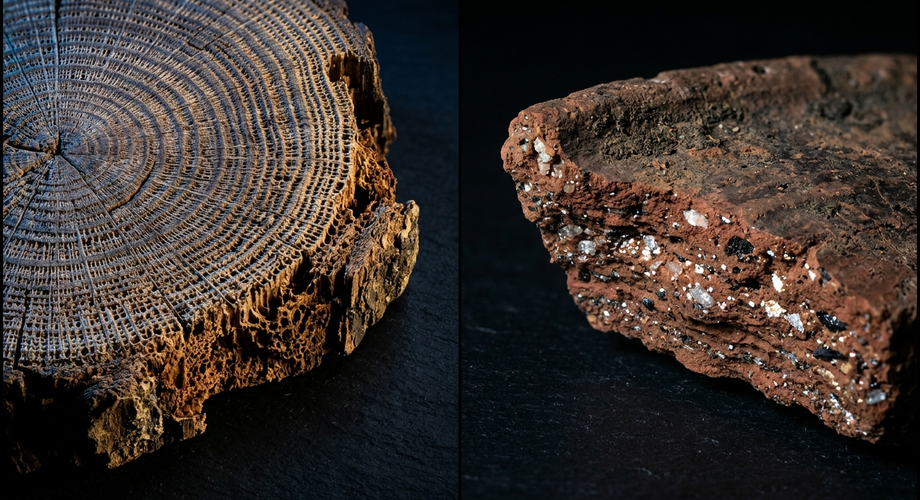
Rastro is a laboratory for science-based archaeology. We treat wood and clay as archives — first reading how burial has changed them, then choosing the least invasive way to keep them for the future.Rastro 是一间科技考古实验室。我们把木材与陶土视为档案:先读懂埋藏环境如何改变了它们,再选择干预最少的方式,将其保存给未来。
Every treatment starts from anatomical, physical and chemical evidence about the object’s actual condition.所有处理方案都以器物实际保存状况的解剖、物理与化学证据为起点。
Materials are chosen for compatibility and stability, so original surfaces and toolmarks stay legible.选用相容、稳定的材料,让原始表面与加工痕迹保持可读。
Sampling points, spectra, condition maps and treatment parameters are kept as a traceable record.取样位置、谱图、病害图与处理参数均形成可追溯的档案。
01 / 04
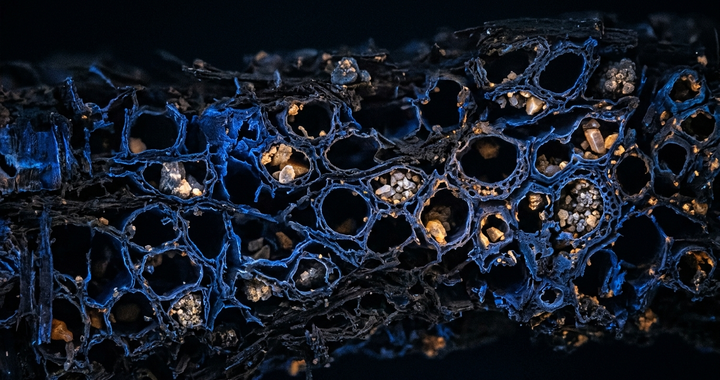
Species identification, decay staging, moisture and density profiling, and surveys of salts and microbial damage in waterlogged and dry wood.树种鉴定、降解程度分级、含水率与密度测定,以及饱水与干燥木材中盐类和微生物病害的调查。
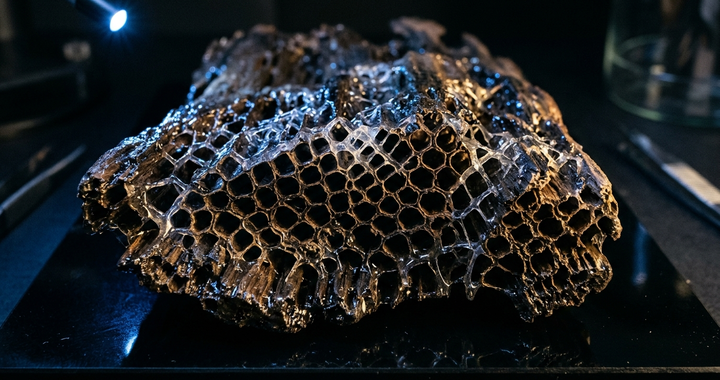
Desalination, consolidation, controlled dehydration to prevent collapse, and reversible structural repair of fragile wooden objects.脱盐、加固、防止塌陷的受控脱水,以及脆弱木质文物的可逆性结构修复。
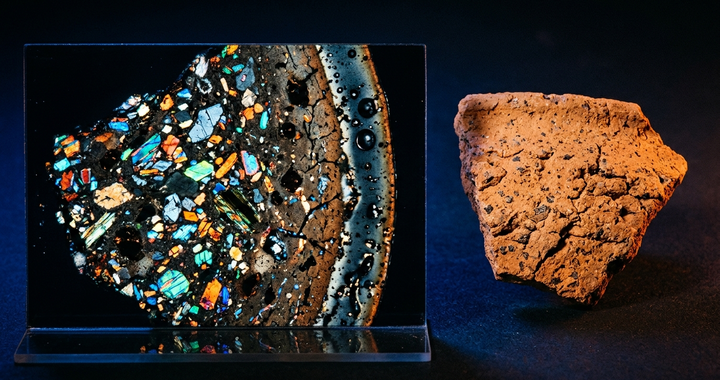
Composition, mineralogy, microstructure and firing technology of sherds, slips and glazes, through spectroscopy, diffraction and microscopy.通过光谱、衍射与显微分析,研究陶片、陶衣与釉的成分、矿物组成、显微结构和烧制工艺。
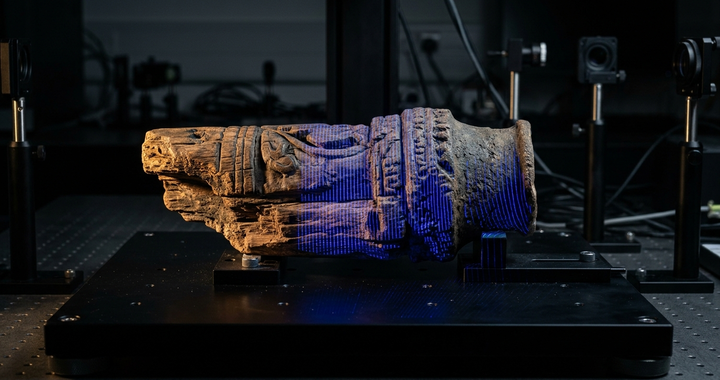
Sampling strategy, analytical reporting and structured conservation records that support excavation, research and long-term care.制定取样策略,出具分析报告,建立结构化保护档案,服务于发掘、研究与长期保管。
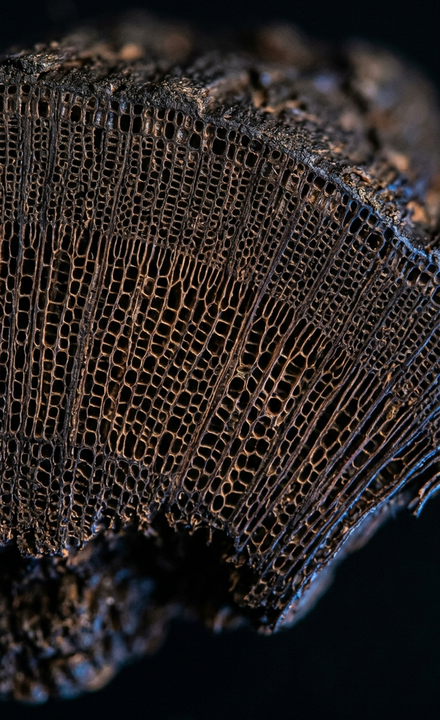
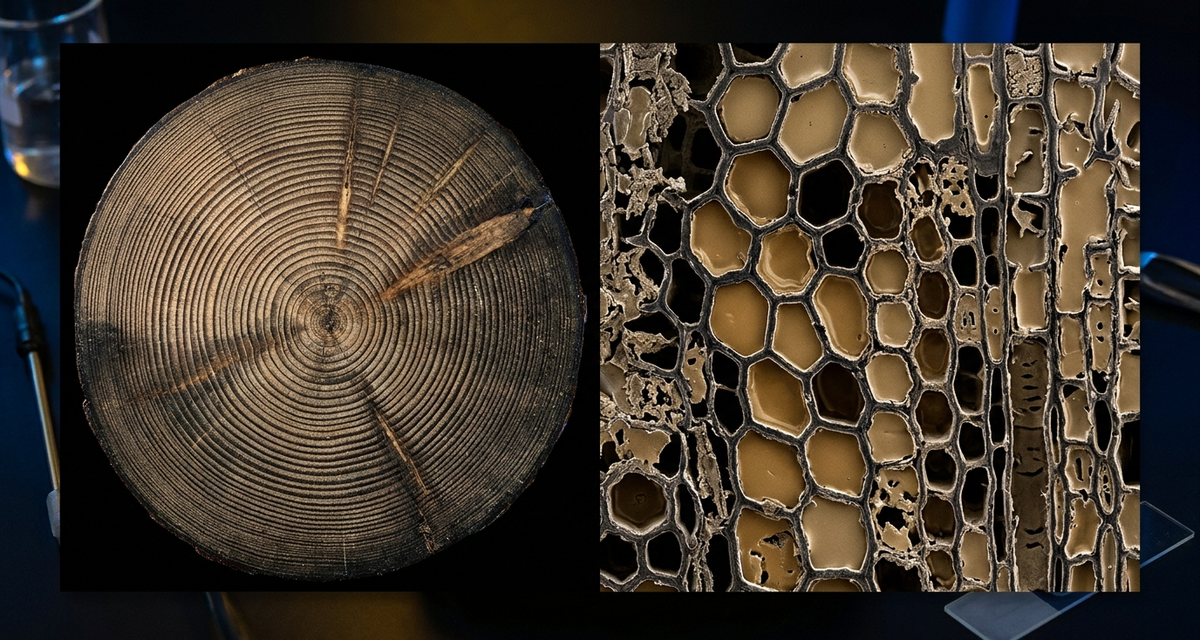
Waterlogged or dry, excavated wood arrives altered by burial: weakened cell walls, salts, cracks. We map that damage from the growth rings down to the cell wall, then choose treatments that keep the object stable and its evidence readable.无论饱水还是干燥,出土木材都已被埋藏环境改变:细胞壁弱化、盐类积聚、开裂变形。我们从年轮到细胞壁逐级绘制病害,再选择既能保持器物稳定、又能保留考古信息的处理方式。
01 / 04
Earlywood and latewood bands record how the tree grew. Reading ring width and density helps identify the wood, judge how evenly it has decayed and — where the series is long enough — supports dendrochronological dating.早材与晚材交替形成的年轮记录了树木的生长过程。通过年轮宽度与密度,可辅助树种鉴定、判断劣化是否均匀;当年轮序列足够长时,还可为树轮年代学测年提供依据。
Macro photography · Ring-width measurement · Wood anatomy宏观摄影 · 年轮宽度测量 · 木材解剖
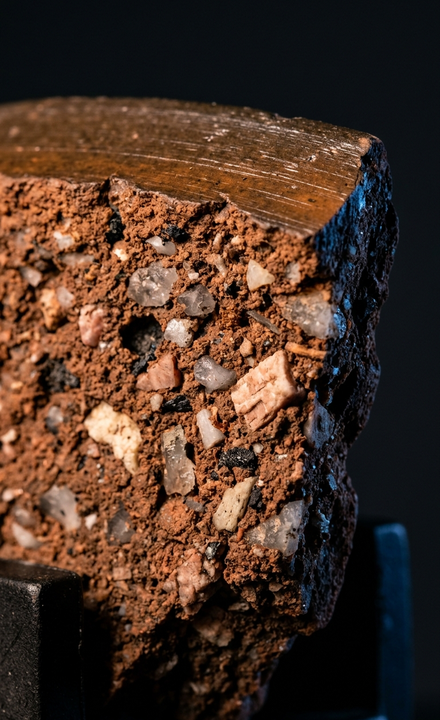
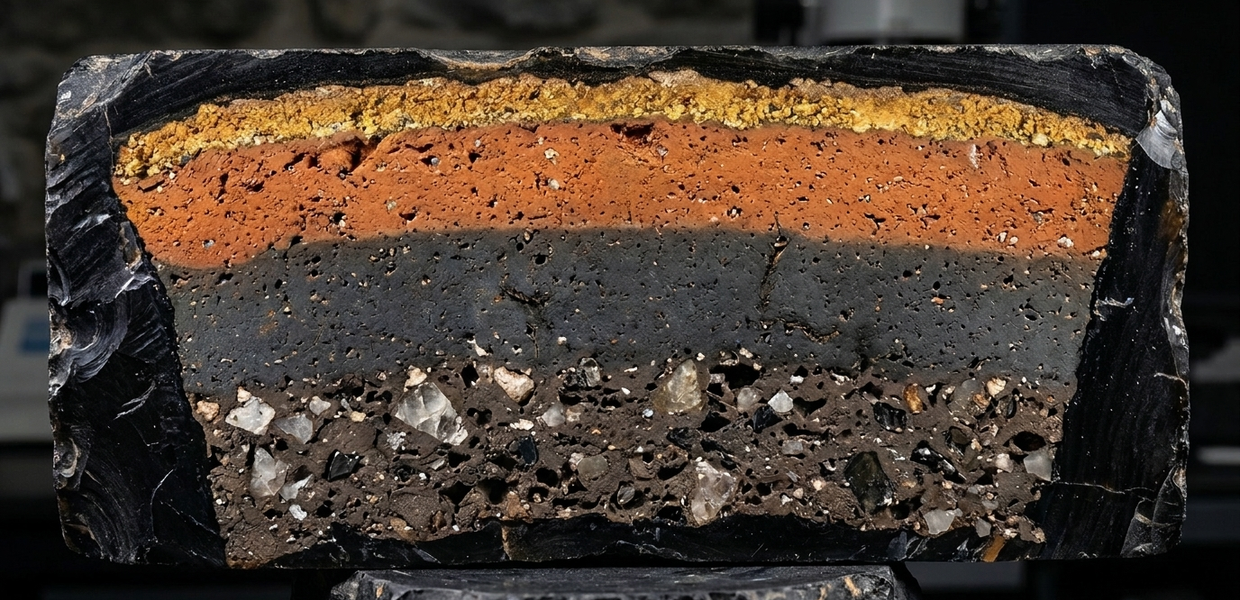
A broken edge is a cross-section through a pot’s whole history: clay, temper, firing and use. Reading those layers tells us where the materials came from and how the vessel was made.陶片的断面,是贯穿器物一生的剖面:陶土、羼和料、烧制与使用。读懂这些层次,就能追溯原料来源与制作工艺。
01 / 04
The thin outer skin carries slip, paint and burial crusts. It is analysed first and sampled least, because it is the most fragile and the most informative surface of the vessel.器表的薄层保留了陶衣、彩绘与埋藏附着物。它最脆弱,也最能反映器物信息,因此优先分析、尽量少取样。
Stereo microscopy · Portable XRF · Raman spectroscopy体视显微 · 便携式 XRF · 拉曼光谱
Non-invasive survey first: photography, microscopy and condition mapping.先做无损调查:影像记录、显微观察、病害图绘制。
Targeted analysis on minimal samples to understand material and decay.以最少取样进行针对性分析,弄清材质与劣化机理。
Compatible, retreatable treatment matched to the diagnosis.依据诊断结果,采用相容、可再处理的保护措施。
Methods, data and decisions archived for future review.方法、数据与决策全部归档,供未来复核。
Wooden objects, sherds, sampling questions or research collaborations — write to us and tell us about the material.木质器物、陶片、取样问题或科研合作——欢迎来信,告诉我们材料的情况。